Basic Roofing Installation Techniques
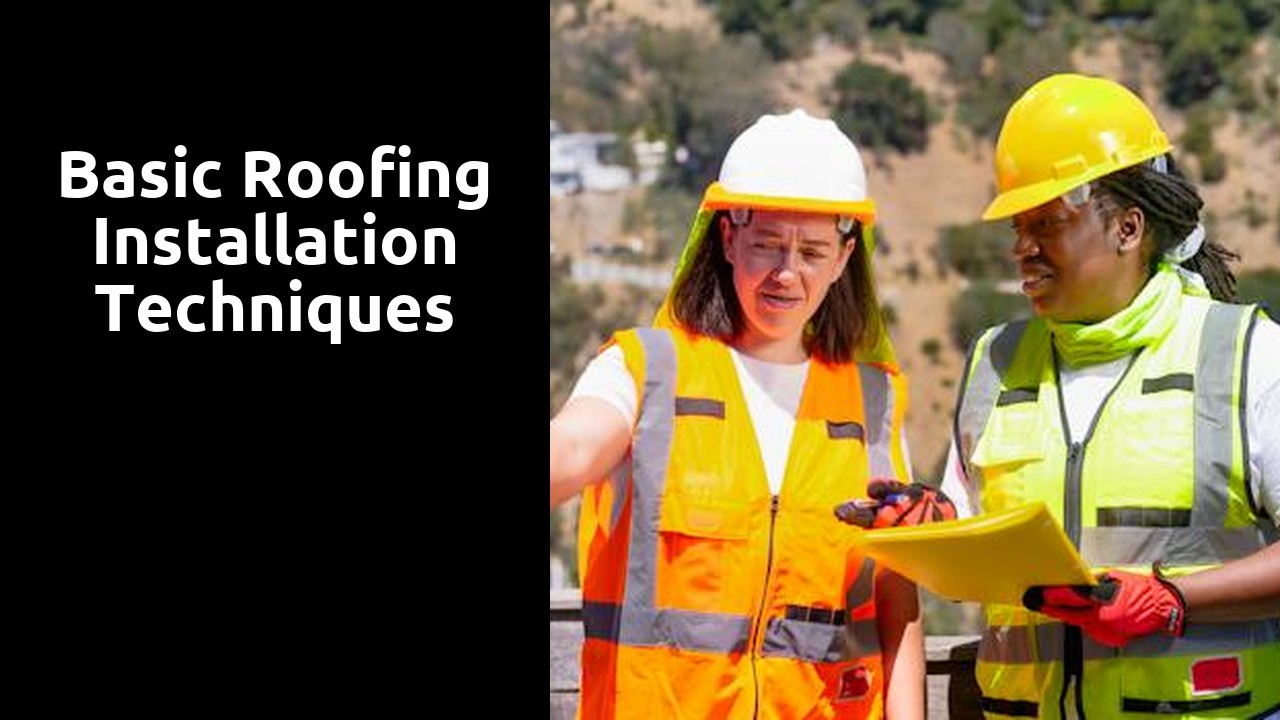
Table Of Contents
Getting Started with Roofing: Essential Tips for Beginners
Whether you are a seasoned DIY enthusiast or a complete novice, getting started with roofing can be an intimidating task. However, with the right knowledge and a bit of practice, you can tackle this project like a pro. Here are some essential tips for beginners to help you on your roofing journey.
Firstly, it is crucial to familiarize yourself with the different types of roofing materials available. From asphalt shingles to metal panels, each material has its own unique characteristics and suitability for different climates and budgets. Take the time to research and understand the pros and cons of each option before making a decision. Additionally, ensure that you have all the necessary tools and equipment before you begin your roofing project. This includes items such as hammers, utility knives, roofing nails, and safety equipment like gloves and harnesses. Investing in quality tools will not only make the job easier but also ensure a more professional and long-lasting result.
Mastering the Art of Roofing: Techniques Every Homeowner Should Know
Mastering the art of roofing is an important skill for every homeowner to possess. By learning how to properly install and maintain a roof, you can save a significant amount of money and ensure the protection and longevity of your home. One of the key techniques to master is proper shingle placement. When installing shingles, it is crucial to lay them in a straight line, ensuring they overlap correctly. This not only improves the aesthetic appeal of your roof but also helps to prevent leaks and water damage. Additionally, it is important to use the correct nails and drive them properly into the roof to ensure the shingles stay secure and in place.
Another essential technique for homeowners to learn is how to properly seal and flash areas where the roof meets other structures such as chimneys or vents. This is crucial for preventing water infiltration and potential damage. When flashing, it is important to use the correct materials, such as aluminum or galvanized steel, to ensure durability and longevity. Properly sealing the flashing with high-quality caulking or sealant is also essential to create a watertight barrier. Taking the time to properly install and maintain flashing will greatly reduce the risk of leaks and water damage to your home.
The Key to a Successful Roof Installation: Understanding Materials and Tools
Understanding the materials and tools for a successful roof installation is crucial. Each component has its own role in ensuring the durability and protection of your roof. One of the most important things to consider is the type of roofing material. From asphalt shingles to metal panels, there are various options to choose from. It is essential to understand the pros and cons of each material, as well as their compatibility with the climate and architecture of your home. Additionally, having a good grasp of the tools required for the installation process is essential. From hammers and nail guns to ladders and safety equipment, having the right tools will make the installation process much smoother and more efficient. It is important to invest in high-quality tools that are appropriate for the specific type of roofing material you are using, as this will contribute to the overall success of the project. By understanding the materials and tools needed, you can ensure a successful roof installation that will protect your home for years to come.
From Blueprint to Reality: Planning Your Roofing Project Like a Pro
Planning is a critical step in any roofing project, and doing it like a pro can save you time, money, and headaches down the road. Before you begin, take the time to thoroughly inspect your current roof, paying close attention to any signs of damage or leaks. This will help you identify any necessary repairs or replacements that need to be addressed before starting the installation process. Additionally, consider the overall structure of your home and the specific requirements of your roofing materials to ensure that your project meets all necessary building codes and regulations.
Once you have assessed the condition of your roof and determined the necessary repairs or replacements, it's time to create a detailed plan. Start by measuring the dimensions of your roof, taking note of any architectural features such as chimneys or skylights. This will help you accurately estimate the amount of materials you will need for your project. It is also important to consider the slope of your roof and the type of roofing material you plan to use, as this can affect the installation process and may require additional planning or specialized equipment. By thoroughly planning your roofing project, you can avoid potential pitfalls and ensure a smooth and successful installation process.
Avoiding Common Mistakes: Expert Advice for Flawless Roof Installations
Properly installing a roof requires skill and attention to detail. Even the most experienced roofers can make mistakes if they don't take the necessary precautions. To ensure a flawless installation, it is crucial to learn from the experts and avoid common mistakes that can compromise the integrity of your roof. Here, we provide expert advice to help you navigate the roofing installation process with confidence.
One common mistake that many homeowners make is failing to properly prepare the roof before installation. It is essential to thoroughly inspect the roof for damaged or rotting materials and to make any necessary repairs before beginning the installation process. Additionally, clearing the roof of any debris, such as leaves or branches, will create a clean and even surface for the new roof to be installed. By taking the time to properly prepare the roof, you can ensure that your new roof will be able to provide long-lasting protection for your home.
Safety First: Essential Precautions for Roofing Installation
Safety should always be the number one priority when it comes to roofing installation. Before beginning any project, it is important to ensure that all necessary safety precautions are in place. This includes wearing appropriate protective gear such as gloves, safety glasses, and a hard hat. Additionally, it is essential to inspect the work area for any potential hazards and take steps to address them before starting the project. This may include removing any debris or obstacles that could cause accidents or falls. Taking these precautions not only protects the workers' well-being but also contributes to the overall success and efficiency of the roofing installation.
Another crucial safety measure during roofing installation is to have proper equipment and tools at hand. This includes having sturdy ladders or scaffolding that can support the weight of workers and materials. It is also important to ensure that all tools are in good working condition and used correctly. Any damaged or malfunctioning equipment should be replaced or repaired promptly to avoid accidents. In addition, it is crucial to use caution when handling and moving heavy materials, such as roofing tiles or shingles, to prevent strain or injury. By prioritizing safety and having the right equipment, homeowners can ensure a smooth and accident-free roofing installation process.
Related Links
Innovative Techniques in Roofing InstallationAdvanced Roofing Installation Methods