Understanding Roofing Fall Hazards and Risks
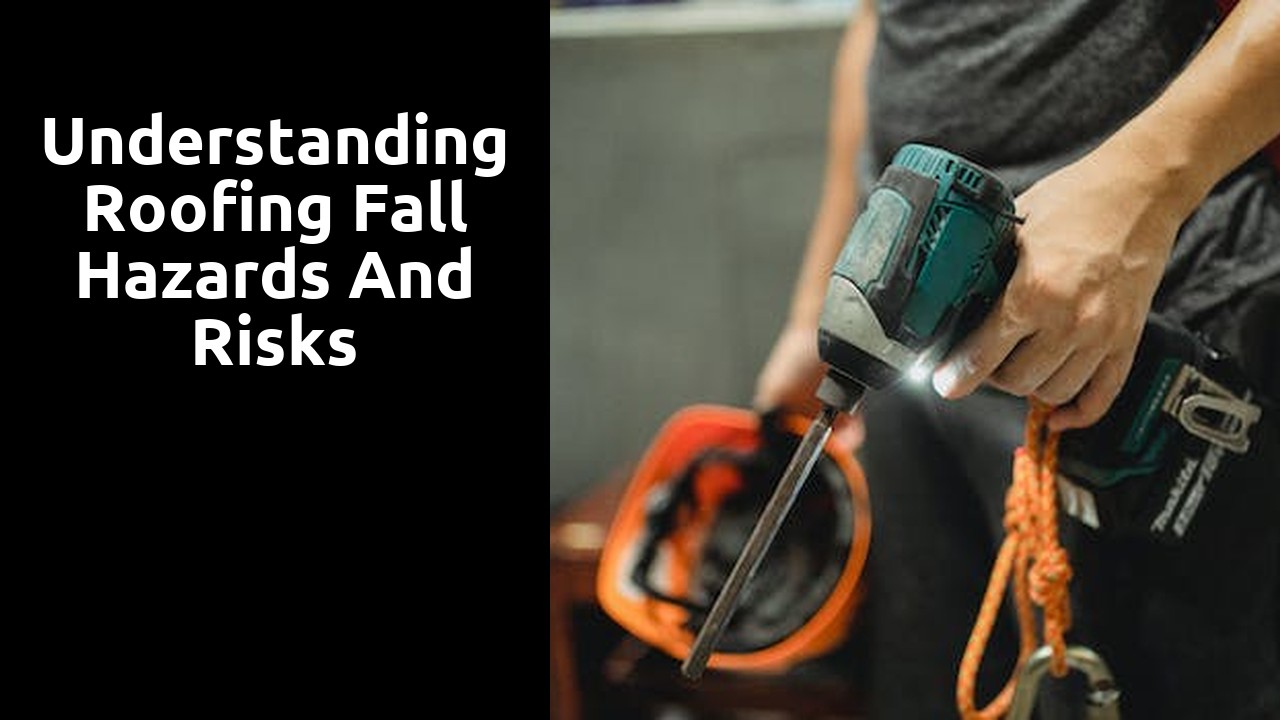
Table Of Contents
The Dangers That Lurk Above: Unveiling the Hazards of Roofing Work
Roofing work may seem like a straightforward task, but the dangers that lurk above can pose serious hazards to workers. One of the most common hazards in roofing work is the risk of falls. Working at heights presents a significant danger, as a single misstep or loss of balance can result in a devastating fall. The consequences of a fall from a rooftop can range from minor injuries to life-threatening accidents. Roofers are constantly exposed to the danger of slipping, tripping, or losing their footing, especially when working on sloped roofs or in adverse weather conditions. These hazards require a high level of caution and attention to detail to prevent accidents and injuries.
Apart from falls, there are other hazards that roofers need to be aware of. The nature of the job itself exposes workers to potential hazards such as exposure to harsh weather elements, toxic materials, and electrical hazards. Roofing work often involves handling sharp tools and heavy materials, which can lead to cuts, punctures, and strains if not handled properly. Additionally, there is a risk of encountering live electrical wires on the rooftop, increasing the potential for electrical shocks and electrocution. Therefore, it is crucial for roofers to be vigilant and take necessary precautions to mitigate these dangers and ensure a safe working environment.
Staying Safe on the Rooftop: A Guide to Preventing Falls
When it comes to staying safe on the rooftop and preventing falls, there are several key practices and precautions that should be followed. Firstly, it is crucial to ensure that the work area is clear of any debris or obstructions that may pose a trip or slip hazard. This includes removing any loose materials, tools, or equipment that could potentially cause a fall. Additionally, workers should always be mindful of their surroundings and avoid working in adverse weather conditions, such as strong winds or rain, which can increase the likelihood of slipping or losing balance.
Furthermore, wearing appropriate personal protective equipment (PPE) is essential for rooftop safety. This includes a well-fitted safety harness or fall arrest system that is properly secured to an anchor point. A safety harness acts as a lifeline and prevents workers from falling to the ground in the event of a slip or trip. It is also important to regularly inspect and maintain all safety equipment to ensure it is in good working condition. Additionally, workers should receive thorough training on how to properly use and maintain their safety equipment, as well as how to respond in the event of a fall or emergency.
Assessing the Risks: Understanding the Factors That Contribute to Roofing Accidents
Roofing work is inherently dangerous and carries a high risk of accidents and falls. Understanding the factors that contribute to roofing accidents is crucial in order to assess the risks involved and take appropriate preventive measures. One of the primary factors that contribute to roofing accidents is the unstable footing on the roof. Whether it's due to loose tiles, slippery surfaces, or unexpected changes in elevation, a lack of stable footing can easily lead to loss of balance and falls. Additionally, the steep incline of roofs presents a challenge in terms of maintaining proper balance and stability while working. Even experienced and skilled workers can be at risk if they lose their footing or lose their balance while navigating the roof's incline.
Another factor that contributes to roofing accidents is the presence of obstacles and debris on the roof. These obstacles can range from construction materials and tools left behind to vegetation and loose cables. Navigating around these obstacles can be challenging, and any misstep or tripping hazard can quickly lead to a fall. In addition, the risk of falls is heightened when working near the roof edge, especially without the presence of proper fall protection systems. Without proper guardrails, safety harnesses, or other forms of fall protection, the risk of falling off the edge of the roof increases significantly.
Understanding these factors is critical in assessing the risks associated with roofing work and implementing appropriate safety measures to prevent accidents and falls. By recognizing the unstable footing, the challenges of working on steep inclines, and the presence of obstacles and debris, roofing professionals can take proactive steps to ensure a safer working environment.
Equipping Yourself for Safety: Essential Gear and Equipment for Working at Heights
When it comes to working at heights, having the right gear and equipment is crucial for ensuring your safety. One of the most important pieces of equipment is a reliable safety harness. This harness must be properly fitted and worn at all times while working on the rooftop. It should have a secure attachment point and be able to support your weight in the event of a fall. Additionally, wearing a hard hat is essential for protecting your head from potential falling objects. It is also advisable to invest in good quality work gloves to provide added protection for your hands while handling tools and materials.
The Importance of Training: Developing Skills to Navigate Roofing Fall Hazards
Developing the necessary skills to navigate roofing fall hazards is of utmost importance in ensuring the safety of workers in this high-risk profession. Training plays a pivotal role in equipping individuals with the knowledge and expertise needed to identify potential risks and take proactive measures to prevent falls. By investing in comprehensive training programs, employers can cultivate a culture of safety and empower their employees to make informed decisions when working at heights.
Training not only focuses on theoretical knowledge but also incorporates practical aspects that allow workers to apply their learnings in real-world scenarios. This hands-on approach helps to reinforce the importance of safety practices and instill a sense of responsibility among workers. Through training, individuals gain invaluable skills such as properly inspecting fall protection equipment, understanding the correct use of safety harnesses, and implementing effective fall prevention strategies. By developing these skills, workers become better equipped to mitigate the risks associated with roofing fall hazards and ultimately enhance their overall safety on the job.
Heightening Awareness: Recognizing and Reacting to Potential Roofing Safety Risks
When it comes to roofing work, awareness plays a crucial role in preventing accidents and ensuring safety. Recognizing potential safety risks is the first step towards minimizing the chances of falls and injuries. By paying attention to your surroundings and being alert to hazards, you can significantly reduce the likelihood of accidents.
Reacting promptly and appropriately to potential safety risks is equally important. This involves taking immediate action to mitigate any hazards identified, such as removing debris or fixing loose equipment. Additionally, communicating the identified risks to other workers can help create a safer working environment for everyone involved in the roofing project. The key is to stay proactive and proactive in addressing safety concerns, ensuring that everyone is aware of potential risks and how to respond effectively.
Related Links
Types of Fall Protection Systems for Roofing WorkProper Harness and Lanyard Usage for Roofing Safety